For many, a trip to Ladakh is a lifelong dream. However, the "Land of High Passes" is as unforgiving as it is beautiful. To help you navigate your first journey to this high-altitude desert, we've compiled the essential guide to surviving and thriving in Ladakh.
1. The Golden Rule: Acclimatization
Leh sits at an altitude of approximately 11,500 feet. If you are flying in from the plains, your body needs time to adjust to the lower oxygen levels. The most common mistake first-timers make is running out to see Shanti Stupa the moment they land.
The Pro Tip: Dedicate your first 36-48 hours in Leh to doing absolutely nothing. Drink plenty of water (3-4 liters a day), avoid alcohol, and let your heart rate stabilize.
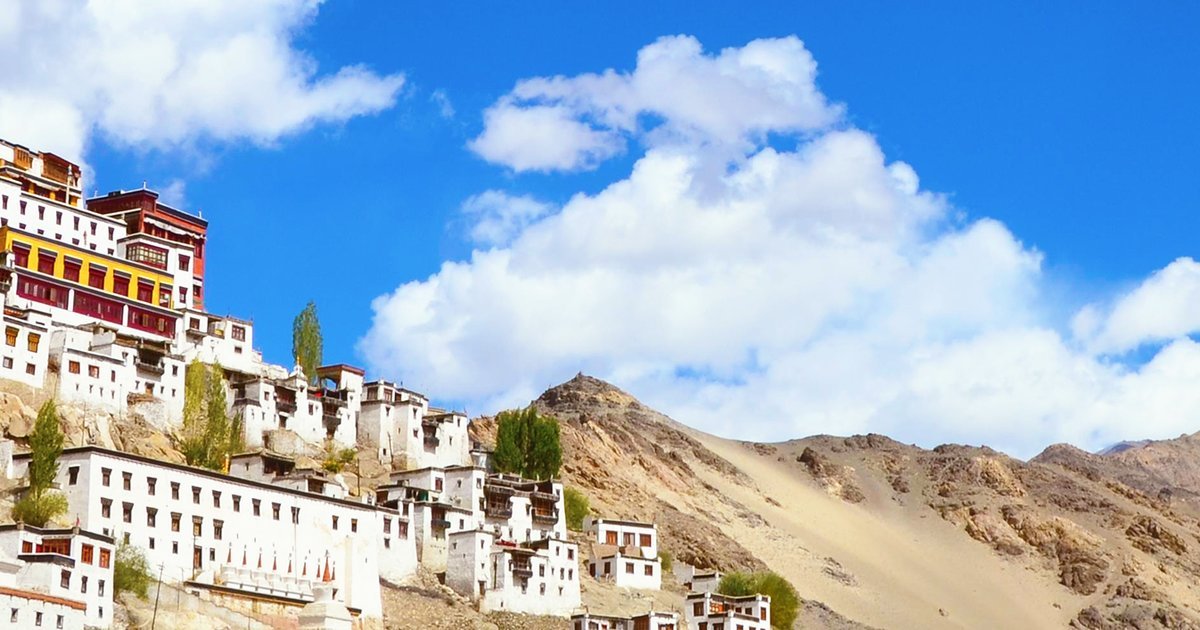 Leh city - your base for acclimatization and
exploration.
Leh city - your base for acclimatization and
exploration.
2. Planning Your Route
Ladakh is vast, and travel times are long due to the winding mountain roads. Most travelers focus on three main areas:
- Nubra Valley: Known for the Hunder sand dunes and double-humped camels. You'll cross Khardung La, one of the highest motorable passes in the world.
- Pangong Tso: The famous blue lake that changes colors. It's a 5-6 hour drive from Leh.
- Tso Moriri: A quieter, more pristine alternative to Pangong, located in the Changthang region.
"In Ladakh, the journey is truly the destination. Every turn behind the wheel reveals a mountain peak or a valley more stunning than the last."
3. Permits and Inner Line Permits (ILP)
Because Ladakh shares borders with Pakistan and China, many areas require an Inner Line Permit. You can apply for these online or through a local travel agent in Leh. Keep multiple photocopies of your permit and ID, as you'll need to submit them at various army checkpoints.
4. Packing Essentials
Even in July, Ladakh can be freezing at night, especially at Pangong or Nubra. Layering is key.
- Heavy woolens and a windproof jacket.
- Sunscreen (SPF 50+) and sunglasses — the sun is incredibly harsh at high altitudes.
- Basic medical kit with Diamox (after consulting your doctor) for altitude sickness.
- Power banks (electricity can be spotty in remote camps).
Ladakh is a fragile ecosystem. As a traveler, it is your responsibility to minimize your plastic footprint. Use refillable water bottles and avoid littering in the pristine valleys.
Ready to stand among the giants? Explore our curated Ladakh packages and let Next Peak Expedition handle the logistics while you soak in the magic.
Plan Your Ladakh Trip
Discover the beauty of the moon-land with our expert-led tours.