Most treks in the Indian Himalayas offer a consistent theme: either you are in the dense forests of the lower ranges, or the stark high-altitude deserts of the rain-shadow regions. The Pin Bhaba Pass Trek is special because it gives you both, separated by a single, narrow ridge at 16,105 feet.
Stunningly diverse and incredibly dramatic, this trek takes you from the lush, cedar-scented forests of Kinnaur's Bhaba Valley into the surreal, purple-hued landscape of Spiti's Pin Valley. It is a transition so sudden that it feels like stepping through a portal between two different worlds.
The Lush Beginning: Bhaba Valley
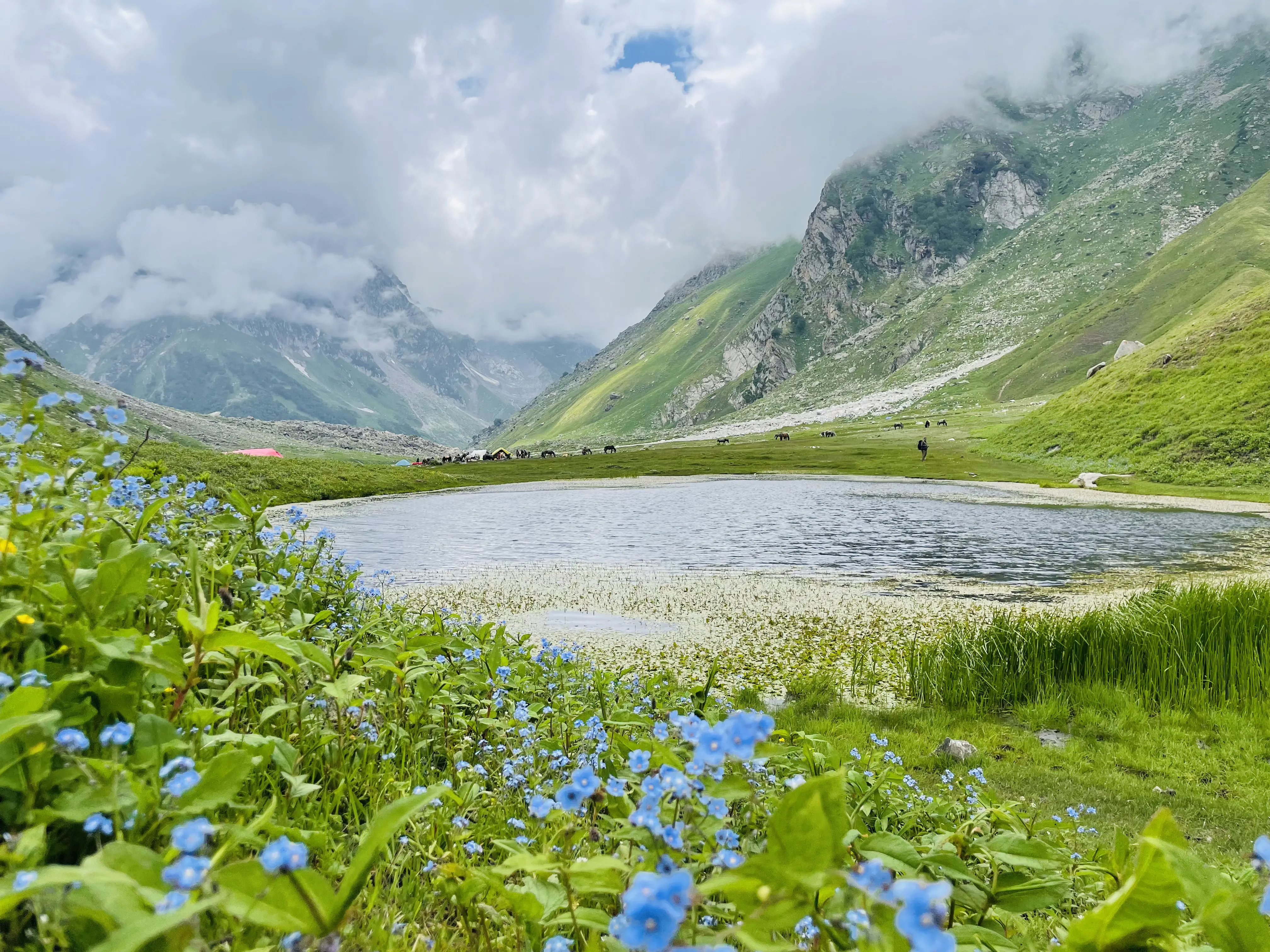
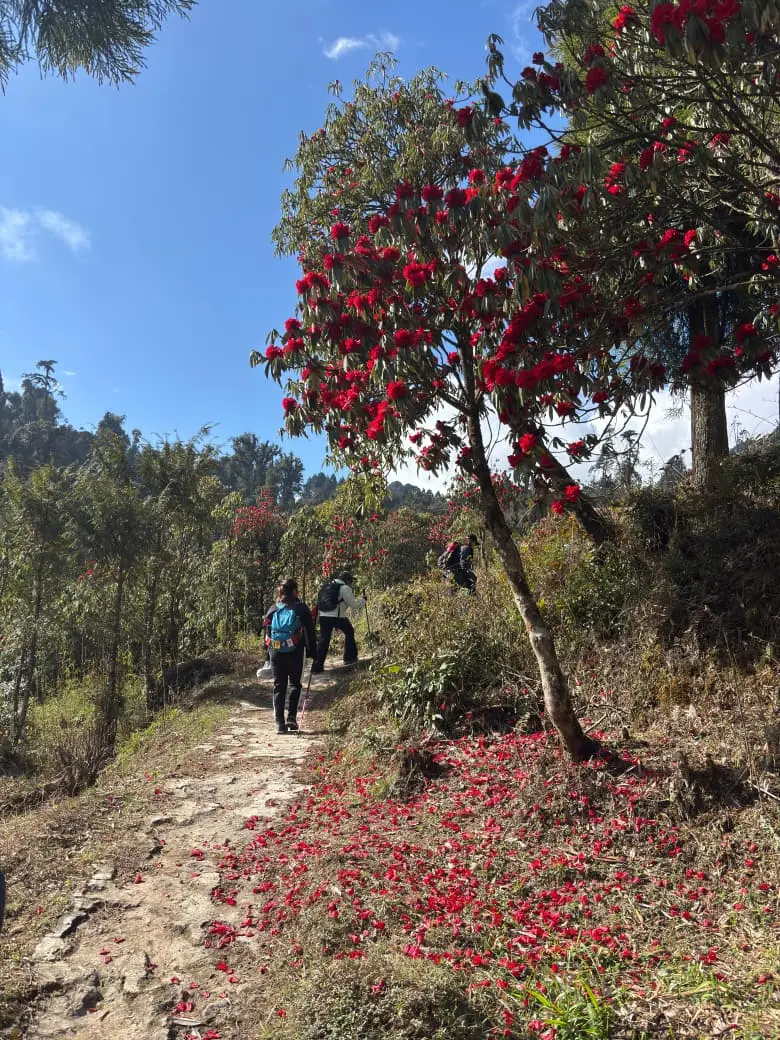
The journey starts at Kafnu, a small village tucked away in the Kinnaur district. The first few days are a celebration of life. You walk alongside the gushing Bhaba river, under a canopy of silver oaks and cedar. The campsites, like Mulling and Karah, are vast alpine meadows dotted with wildflowers and grazing sheep.
 The emerald green meadows of Karah Thach provide a peaceful start.
Karah, in particular, is a place where you'll want time to stand still. Surrounded by towering peaks on three sides, the valley opens up into a floor of velvet grass where the river creates miniature oxbows. It is the quintessential "Himalayan Eden."
"Crossing the Pin Bhaba Pass is like watching a black and white movie suddenly burst into Technicolor—except in reverse. You leave the vibrant green and enter a world of stark, magnificent contrast."— Neha Sharma, Lead Explorer
The Great Divide: Reaching 16,105 Ft
The "Pass Day" is the emotional and physical peak of the trek. As you leave the high camp at Phutsirang, the grass gives way to jagged rocks and moraine. The ascent is steep and requires grit, especially as the air thins.
When you finally stand atop the Pin Bhaba Pass, look back. To your left, the Bhaba side is hidden in clouds, draped in greenery. To your right, the mountainside drops into the Pin Valley—a landscape of scorched red, ochre, and violet. There is no middle ground, no gradual fading. Just a sharp line drawn by nature.
Why Every Trekker Needs to Experience This:
- The Dramatic Crossover: Nowhere else is the rain-shadow effect so visually obvious.
- Isolation: Unlike the Hampta Pass, Pin Bhaba remains a serious trek with fewer crowds.
- Pin Valley National Park: A chance to spot the elusive Snow Leopard or the Siberian Ibex.
- Spiti Culture: Concluding your trek in Mud, a village that feels frozen in time.
Descent into the Moon Land
The walk down into Spiti is long and dusty, but mesmerizing. The geological formations here are unlike anywhere else in the Himalayas. The rock towers look like crumbling fortresses, and the Pin River, a turquoise ribbon, guides you toward the village of Mud.
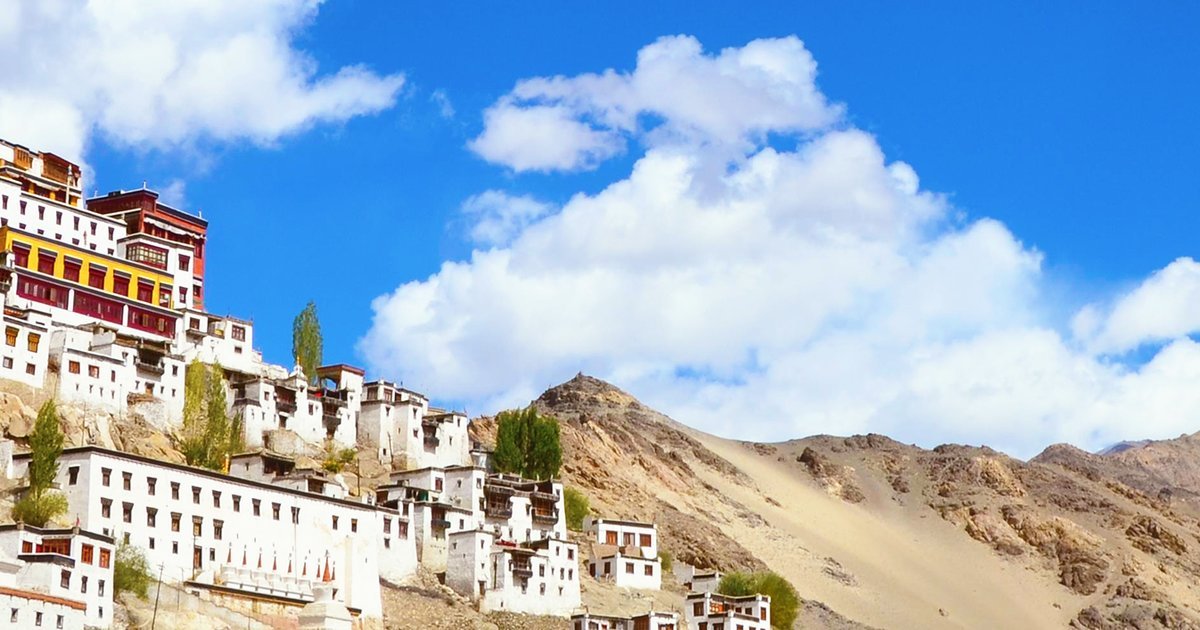
Mud is the last outpost of Pin Valley, a tiny cluster of white-washed houses with red doors, surrounded by barley fields. Sitting in a local cafe, sipping Seabuckthorn tea after eight days on the trail, you realize you haven't just crossed a mountain—you've crossed an entire ecosystem.
Fast Facts for Your Journey
- Duration: 8 Days / 7 Nights
- Max Altitude: 16,105 Ft
- Difficulty: Moderate to Difficult
- Best Time: July, August, and September
- Start Point: Kafnu (Kinnaur) | End Point: Mud (Spiti)
Ready to experience the Great Divide? Pack your bags, lace up your boots, and join us on our next departure.
Experience This Trek
Join Next Peak Expedition for a professional, expertly guided Pin Bhaba experience.